Published by December 12, 2025 · Reading time 28 minutes · Created by Lix.so
Navigating the Meta advertising ecosystem can feel like trying to choose the right tool from an overflowing toolbox. While the "Boost Post" button offers a simple entry point, relying on it is like using a hammer for every job; it works sometimes, but you’re missing out on a suite of specialized instruments designed for precision and power. True advertising success on platforms like Facebook and Instagram requires a deep understanding of the diverse ad formats available, each engineered to achieve specific marketing objectives, from driving brand awareness to securing direct sales. This guide is your definitive resource for mastering the full spectrum of types of Facebook ad formats.
We'll move far beyond the basics, dissecting each ad type to reveal its core strengths, ideal use cases, and technical specifications. You’ll learn not just what these formats are, but how and when to deploy them for maximum impact. We'll cover everything from the classic Image and Video ads to more complex, interactive formats like Collection Ads, Instant Experiences, and Dynamic Product Ads. For each format, we will provide actionable creative best practices, essential measurement tips, and real-world examples to inspire your next campaign.
This comprehensive roundup is designed for performance marketers, e-commerce brands, and advertising agencies who need to move beyond generic strategies. You will gain the practical knowledge required to select the perfect ad format for any campaign goal, optimize your creative for each placement, and ultimately, drive more efficient and scalable results. By understanding the nuances of each ad type, you can build a more sophisticated, effective, and profitable advertising strategy that consistently outperforms the competition.
Image Ads are the cornerstone of Meta advertising and one of the most fundamental types of facebook ad formats available. In their simplest form, they consist of a single, high-impact static image paired with compelling ad copy, a headline, and a clear call-to-action (CTA) button. Their strength lies in their simplicity and versatility, allowing them to appear seamlessly across a wide range of placements, including the Facebook Feed, Instagram Stories, Messenger, and the Audience Network.
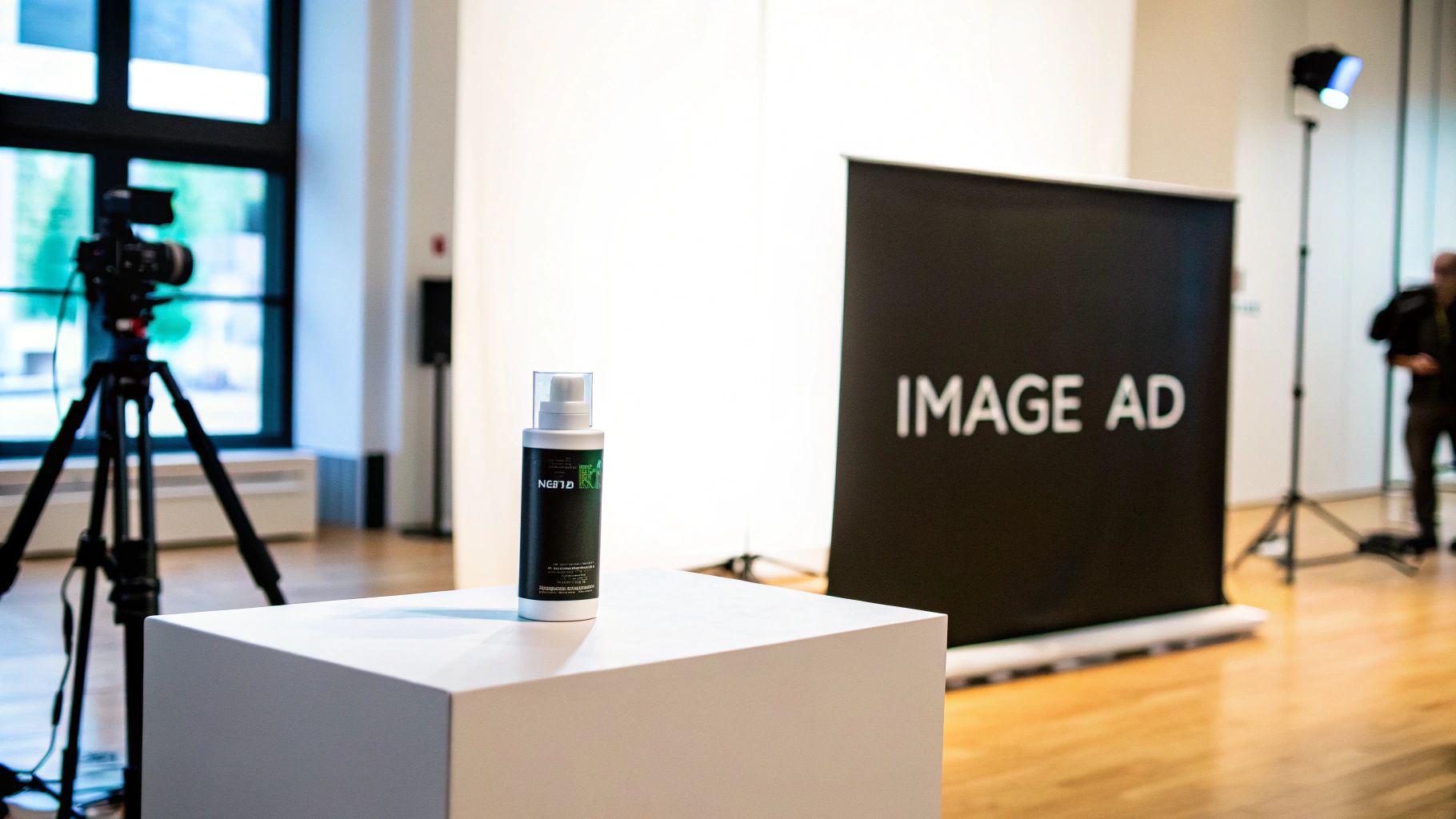
This format is incredibly effective for driving immediate action, such as website clicks, product purchases, or app installs. For example, a direct-to-consumer brand like Nike might use a high-energy lifestyle shot of an athlete wearing their latest shoe to drive traffic to a product page. Similarly, a local retailer could use an image of their storefront or a specific product on sale to announce a seasonal promotion and encourage in-store visits.
To maximize performance, focus on creating visuals that stop users mid-scroll. Your creative is your most powerful lever for success.
Key Insight: The primary goal of an image ad is to communicate a single, powerful message instantly. If a user can't understand your offer and value proposition within three seconds, the ad is unlikely to succeed.
For optimal results, ensure your images are sized correctly for each placement. Mobile-first viewing is critical, so prioritize vertical aspect ratios like 4:5 for feeds and 9:16 for Stories. For a complete guide on specifications, you can explore the latest Meta ad sizes and requirements.
Video Ads are a highly engaging and dynamic type of facebook ad that leverages sound and motion to capture user attention more effectively than static formats. These ads auto-play (often with sound off) in user feeds, making them powerful tools for storytelling, product demonstrations, and brand building. Their versatility allows for placement across the entire Meta ecosystem, including Feeds, Stories, Reels, and in-stream placements, offering a rich canvas to communicate complex messages.
This format excels at driving deeper engagement and consideration. For instance, a brand like GoPro can use fast-paced, user-generated action sequences to showcase its camera's durability and quality, creating an emotional connection with adventure enthusiasts. Similarly, a software company could use a short, animated explainer video to quickly demonstrate how its product solves a key customer pain point, a task much harder to achieve with a single image.
The first few seconds of your video are critical for hooking viewers and preventing them from scrolling past. Your primary goal is to make an immediate impact.
Key Insight: A successful video ad tells a complete story and delivers its core message even if a user only watches the first few seconds. It must be visually compelling enough to stop the scroll and clear enough to be understood without sound.
To maximize the impact of your Video Ads, consider broader strategies for Mastering video marketing for social media to boost engagement and ROI. For a detailed breakdown of technical requirements, you can review the latest Facebook video ad specifications.
Carousel Ads are a dynamic and interactive type of facebook ad that allows advertisers to showcase up to ten images or videos within a single ad unit. Each "card" in the carousel can have its own unique headline, description, link, and call-to-action, giving brands a versatile canvas to tell a richer story, feature multiple products, or highlight different aspects of a single service. This format encourages user interaction, as people are prompted to swipe through the cards to see more content.
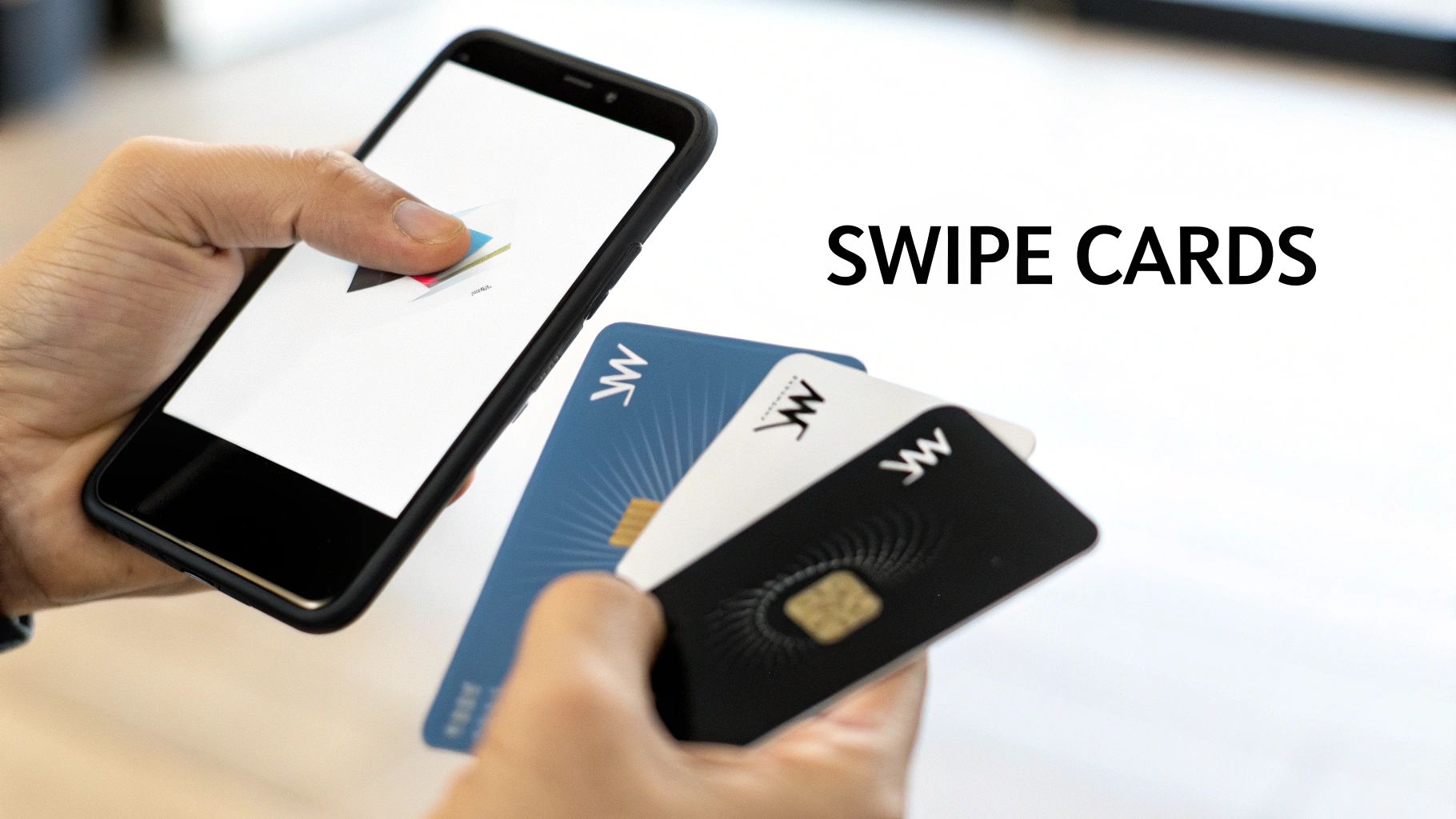
This format is perfect for e-commerce brands wanting to display a product line, like a fashion retailer showing different items that create a complete outfit. It's also highly effective for storytelling; a real estate agent could use a carousel to give a virtual tour of a property, with each card revealing a new room. Tech companies can use it to explain a step-by-step process or highlight multiple software features in a digestible, sequential manner. The interactivity often leads to higher engagement and click-through rates compared to static ads.
To create a compelling carousel, you need to think beyond individual images and craft a cohesive narrative that guides the user from the first card to the last.
Key Insight: The true power of a carousel ad lies in its ability to take a user on a journey. Treat each card as a chapter in a short story that either showcases product diversity or builds a compelling narrative that culminates in the final call-to-action.
Collection Ads offer a rich, mobile-first shopping experience, making them one of the most powerful types of facebook ad for e-commerce brands. This format pairs a primary "hero" video or image with a grid of related product images pulled directly from your catalog. When a user taps on the ad, it opens into an Instant Experience, a full-screen, fast-loading storefront where they can browse and purchase multiple products without ever leaving the Facebook or Instagram app.
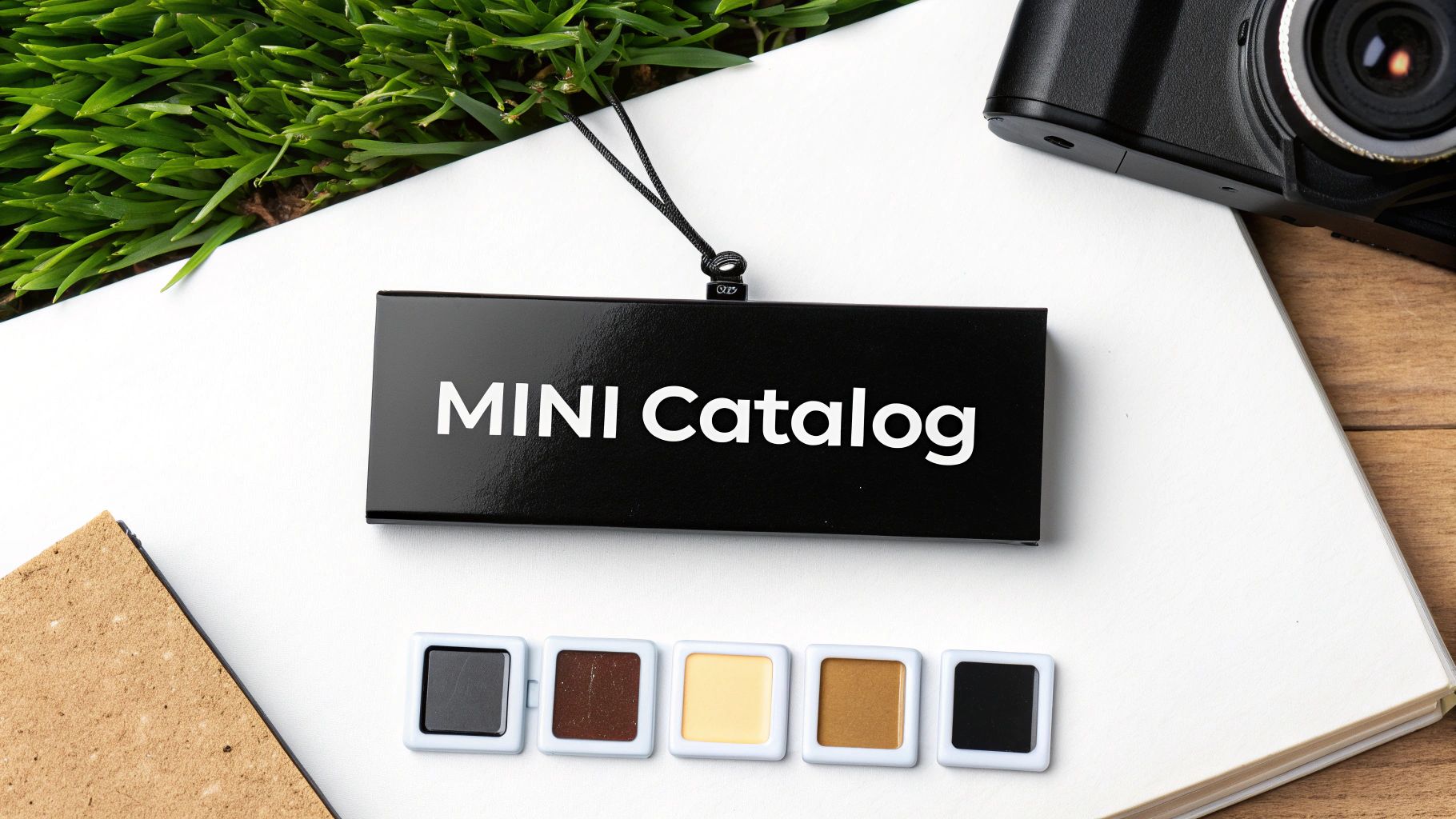
This format excels at driving product discovery and sales by reducing friction in the buying journey. For instance, a fashion retailer like H&M can use a captivating video to showcase a new seasonal line, with the products featured in the video appearing below for immediate browsing and purchase. Similarly, a brand like Sephora could use a Collection Ad to display a "get the look" tutorial, allowing users to instantly shop all the beauty products used. The goal is to turn inspiration into a seamless transaction.
To create a compelling mini-storefront, your creative and product feed must work in perfect harmony.
Key Insight: Collection Ads bridge the gap between discovery and purchase. By providing an immersive, catalog-like experience within the ad itself, you capture high-intent users at their peak moment of interest, significantly boosting conversion rates.
This format is inherently mobile-optimized, so ensure your hero creative is designed for vertical viewing (9:16 or 4:5 aspect ratio). The products featured will be pulled from the catalog you select during campaign setup, making it crucial that your product feed is fully optimized and error-free before launching.
Slideshow Ads offer a compelling middle ground between static images and full-scale video, making them a highly versatile type of facebook ad. This format allows you to combine 3-10 static images, text overlays, and music to create a lightweight, video-like experience. Because they use a fraction of the data required for standard videos, Slideshow Ads are exceptionally effective for reaching audiences in areas with slower internet connections or older mobile devices, ensuring your message is delivered without frustrating load times.
This format is ideal for storytelling without the cost and complexity of video production. A real estate agent, for instance, could use a slideshow to showcase a property's key features, transitioning from the curb appeal to the kitchen, living room, and backyard. Similarly, a travel agency could stitch together stunning destination photos to evoke a sense of adventure and entice users to book a trip. Meta's ad creation tool makes building them incredibly simple, even for those without video editing skills.
To create an engaging slideshow, focus on crafting a clear narrative flow that guides the viewer from one image to the next.
Key Insight: The primary advantage of a Slideshow Ad is its ability to deliver a dynamic, video-like message with the accessibility and low data cost of an image. It’s the perfect format for capturing attention when bandwidth is a concern.
Always design with mobile and sound-off viewing in mind. Use clear text overlays and visually compelling images that can convey your message even without audio. For best performance across placements, a 1:1 or 4:5 aspect ratio works well for feeds, while a 9:16 vertical format is essential for Stories and Reels.
Instant Experience ads, formerly known as Canvas ads, are full-screen, mobile-optimized destinations that load almost instantly from a Facebook or Instagram ad. This powerful type of facebook ad functions like a mini-landing page within the Meta ecosystem, allowing you to combine video, images, carousels, text blocks, and product catalogs into a single, immersive ad unit. Their primary strength is delivering a rich, branded experience without the friction of slow-loading external websites.
This format is ideal for brand storytelling, product launches, or showcasing a collection in detail. For example, a luxury brand like Chanel could use an Instant Experience to unveil a new collection, blending high-fashion video with shoppable product carousels and detailed product shots. Similarly, a travel company could create an interactive itinerary, letting users explore a destination through a mix of videos, panoramic images, and booking CTAs, all without leaving the app.
To maximize engagement, focus on creating a seamless and visually compelling journey that guides the user toward a specific action.
Key Insight: The goal of an Instant Experience is to bridge the gap between discovery and action. It allows you to tell a much deeper story than a standard ad format while keeping the user in a fast, controlled environment optimized for conversion.
Meta provides several templates like "Instant Storefront" and "Instant Lookbook" to get you started quickly. You can explore these and find detailed specifications in the Meta Business Help Center.
Lead Generation Ads are a powerful tool designed to capture user information directly on the Meta platform, making it one of the most efficient types of facebook ad for building a sales pipeline. Instead of sending users to an external landing page, this format presents a native, pre-filled form when a user clicks the call-to-action button. This seamless experience drastically reduces friction, as users can submit their details like name, email, and phone number in just a few taps.
This ad type is ideal for businesses that rely on a considered purchase cycle, where nurturing prospects is key. For example, a real estate agent could use a lead ad to collect contact information for potential homebuyers interested in a property viewing. Similarly, a B2B SaaS company might offer a free demo or a downloadable whitepaper in exchange for a prospect's business email and company name, generating qualified leads for their sales team to follow up with.
To maximize your conversion rate and lead quality, focus on creating a frictionless and trustworthy experience from ad to form submission.
Key Insight: The primary advantage of Lead Ads is the reduction of friction. By keeping the entire process within the Facebook or Instagram app and pre-filling user data, you significantly lower the barrier to conversion compared to traditional landing page funnels.
For the best results, ensure you have a robust follow-up process. A speedy and relevant response is critical for converting these high-intent leads into customers. To learn more about setting up your lead forms and integrations, you can refer to the official Meta guide on Lead Ads.
Story Ads are full-screen, vertical ads that appear between organic user Stories on Facebook, Instagram, and Messenger. This immersive format is one of the most engaging types of facebook ad available, designed to feel native to the highly interactive and ephemeral Stories experience. They leverage the entire mobile screen, creating a canvas for dynamic video, captivating images, or interactive elements that command user attention.
This format is perfect for brands aiming to connect with younger audiences in a more authentic way. For instance, an entertainment company like Netflix could use a short, thrilling video clip to promote a new series, urging users to "Swipe Up to Watch." Similarly, a food delivery service like Uber Eats can showcase mouth-watering visuals of a meal being prepared and delivered, coupled with a limited-time offer to drive immediate orders. The goal is to blend in with the user's content feed while delivering a powerful, quick-hitting message.
Success in Stories hinges on creating content that feels native and captures attention in the first few seconds before a user taps away.
Key Insight: Story Ads should feel less like a traditional advertisement and more like native content. Authenticity, speed, and a direct message are the keys to preventing the dreaded "next story" tap.
To ensure your creative meets all technical requirements, it’s vital to follow the correct specifications. Mobile-first design is non-negotiable for this placement. For a complete overview of dimensions and safe zones, you can get the latest details on Facebook Story ad sizes.
Dynamic Product Ads are one of the most powerful automated types of facebook ad formats, designed specifically for e-commerce and retail advertisers. Instead of manually creating an ad for every item, DPAs automatically show relevant products from your catalog to people who have expressed interest on your website, in your app, or elsewhere on the internet. This format uses your Meta Pixel or SDK data to deliver highly personalized product recommendations at scale.
This format is the engine behind hyper-relevant retargeting. For example, if a user views a specific pair of sneakers on a Shopify store but doesn't purchase, a DPA can automatically show them that exact product (and similar ones) in their Facebook or Instagram feed. Major retailers like Amazon and eBay rely heavily on this technology to re-engage shoppers with products from their vast inventories, driving conversions by reminding users of items they've already considered.
Success with DPAs hinges on the quality of your data feed and your audience segmentation strategy. Your goal is to serve the right product to the right person at the right time.
ViewContent, AddToCart, and Purchase are firing correctly with the right product IDs to feed the algorithm accurate data.Key Insight: Dynamic Product Ads shift the focus from manual creative work to strategic audience and catalog management. Their power lies in their ability to automate personalization across thousands of SKUs, making them an essential tool for any business with a large product inventory.
For optimal performance, combine DPAs with broad audience targeting to find new customers. Meta's algorithm can show products from your catalog to people who have demonstrated similar behaviors to your existing customers, effectively automating prospecting.
Overlay Ads are a unique and non-intrusive format designed to deliver a message without completely interrupting the user's primary content experience. This type of facebook ad typically appears as a semi-transparent banner or static image placed over existing video content, such as Facebook In-Stream videos or Reels. Their power lies in their ability to maintain user engagement with the core content while simultaneously presenting a brand message or call-to-action.
This format is particularly effective for brand awareness campaigns where the goal is to associate the brand with specific content or creators. For instance, a sports drink brand might use an overlay ad during a highlight reel of an extreme sports event, reinforcing its connection to an active lifestyle. Similarly, a film studio could promote an upcoming movie with a small overlay banner during a popular entertainment creator's live stream, catching the attention of a highly relevant audience without forcing them to stop watching.
To maximize impact without annoying the user, your overlay creative must be subtle yet clear. The goal is to complement the viewing experience, not detract from it.
Key Insight: The success of an Overlay Ad is measured by its ability to be noticed without being intrusive. It should feel like a natural part of the content, like a sponsorship graphic on a TV broadcast, rather than a disruptive advertisement.
This format thrives on context. Align your overlay campaigns with content themes that resonate with your brand identity. For example, a food delivery service can achieve excellent results by placing overlay ads on recipe videos or content from popular food bloggers, capturing users at the exact moment they are thinking about their next meal.
| Ad Format | Implementation Complexity (🔄) | Resource & Speed (⚡) | Expected Impact (📊) | Best Use Cases (💡) | Key Advantage (⭐) |
|---|---|---|---|---|---|
| Image Ads | Low 🔄 — simple setup | Low ⚡ — fast, low production cost | Medium 📊 — broad reach & awareness | Brand awareness, product promos, broad audiences | High compatibility & easy A/B testing ⭐ |
| Video Ads | High 🔄 — complex storytelling setup | High ⚡ — higher production time/cost | High 📊 — top engagement & conversions | Product demos, launches, storytelling campaigns | Best for engagement and conversions ⭐ |
| Carousel Ads | Medium 🔄 — multi-card configuration | Medium ⚡ — multiple creatives required | Medium-High 📊 — higher CTR through interactivity | Product showcases, multi-feature stories, e‑commerce | Interactive multi-product display ⭐ |
| Collection Ads | High 🔄 — catalog + Instant Experience | High ⚡ — catalog/data heavy; mobile-optimized | High 📊 — strong conversion for commerce | E‑commerce catalogs, mobile shopping experiences | Seamless browse-to-buy mini-catalog ⭐ |
| Slideshow Ads | Low-Medium 🔄 — sequential image setup | Low ⚡ — low bandwidth, quick to create | Medium 📊 — video-like engagement at lower cost | Developing markets, slow connections, budget campaigns | Low-cost alternative to video ⭐ |
| Instant Experience (Canvas) | High 🔄 — interactive design & build | High ⚡ — creative + technical effort; fast in-view load | High 📊 — highly engaging, trackable interactions | Premium brands, product launches, interactive demos | Immersive full-screen mobile experiences ⭐ |
| Lead Generation Ads | Low 🔄 — form creation & integration | Low ⚡ — quick to deploy; minimal creative | Medium 📊 — high capture rates; quality varies | B2B, real estate, insurance, SaaS lead capture | Easy lead capture with pre-filled forms ⭐ |
| Story Ads | Medium 🔄 — vertical short-form production | Medium-High ⚡ — vertical video required, short runtime | High 📊 — strong viewability & completion on mobile | App installs, youth-focused branding, time-sensitive promos | Full-screen, high-engagement mobile format ⭐ |
| Dynamic Product Ads (DPA) | High 🔄 — pixel + catalog + feed setup | Medium ⚡ — automated delivery after setup | High 📊 — excellent ROI; personalized retargeting | E‑commerce retargeting, large inventories, product personalization | Personalized product recommendations at scale ⭐ |
| Overlay Ads | Low 🔄 — simple overlay placement | Low ⚡ — minimal production, non-intrusive | Low-Medium 📊 — brand presence; lower CTR | Video sponsorships, live streams, content partnerships | Non-disruptive branding with low user friction ⭐ |
We've explored the expansive universe of Facebook ad types, from the classic simplicity of Image Ads to the immersive storytelling of Instant Experiences and the automated power of Dynamic Product Ads. It’s clear that Meta’s advertising platform offers a specialized tool for nearly every marketing objective. Understanding the what and why behind each format is the foundational first step. However, true mastery lies in transitioning from simply knowing these ad types to strategically implementing them within a scalable, efficient workflow.
The core takeaway is that no single ad format reigns supreme. An effective advertising strategy isn't about picking one "best" option; it's about building a cohesive ecosystem where different types of Facebook ad formats work in concert. A potential customer might first discover your brand through an engaging Reels video, later be retargeted with a detailed Carousel ad showcasing specific product benefits, and finally convert through a seamless Collection ad experience. Each format serves a distinct purpose at a different stage of the customer journey.
Merely understanding the technical specs for a Story Ad or the ideal use case for a Lead Ad isn't enough to drive sustainable growth. The real challenge, and the greatest opportunity, lies in operationalizing this knowledge. How do you move from theory to high-volume, high-performance execution?
Here are the actionable pillars to focus on next:
Ultimately, the journey from a novice advertiser to a seasoned professional is marked by this shift from format selection to workflow optimization. The various types of Facebook ad are your ingredients; your workflow is the recipe that turns them into a predictable, profitable marketing engine. By focusing on systems, testing, and automation, you can transform your creative strategy from a manual chore into a powerful growth driver for your business.
Ready to stop building ads one by one and start scaling your creative production? Lix.so helps you create hundreds of on-brand ad variations from a single template, streamlining your workflow for all the different types of Facebook ad formats. Turn your creative strategy into a scalable system by visiting Lix.so to see how it works.
Create hundreds of Facebook Ads campaigns in minutes with Lix.so. Batch creative upload, reusable templates, and automatic campaign generation.
✓ Free for 14 days · ✓ No credit card required · ✓ Cancel anytime

